About Marina Breskens
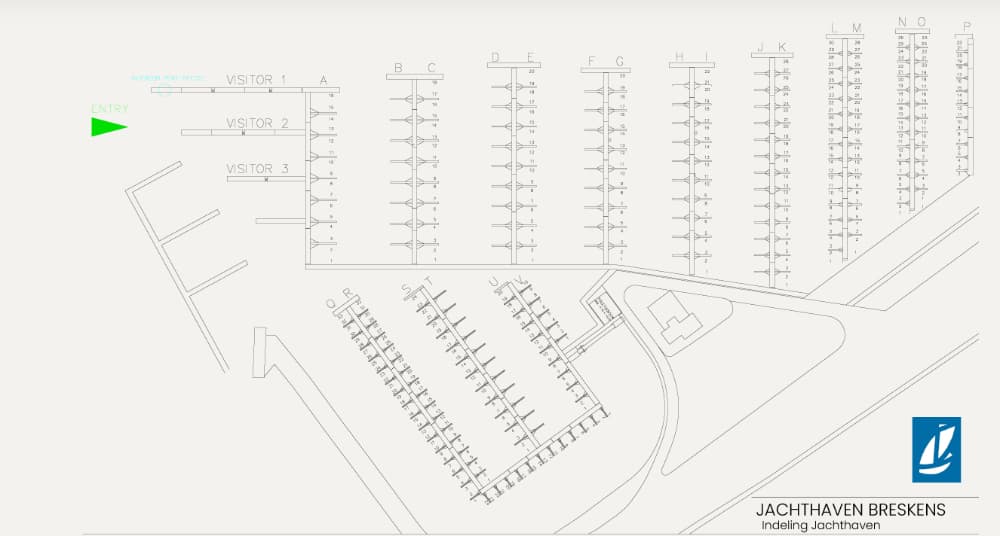
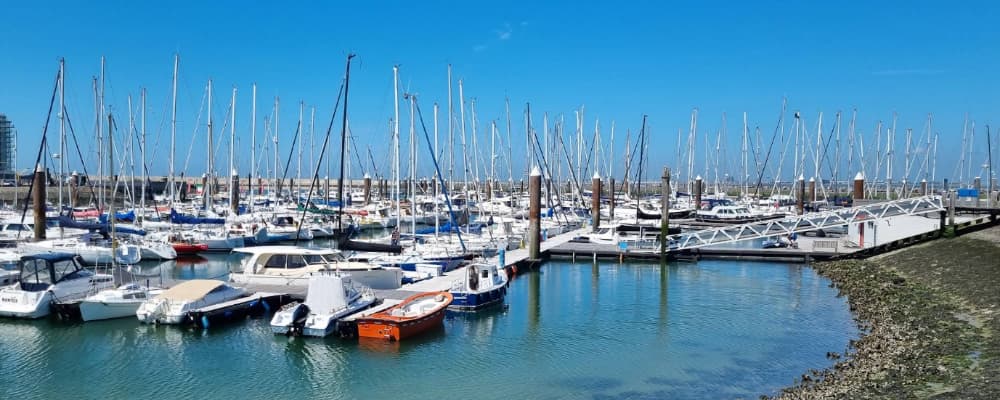
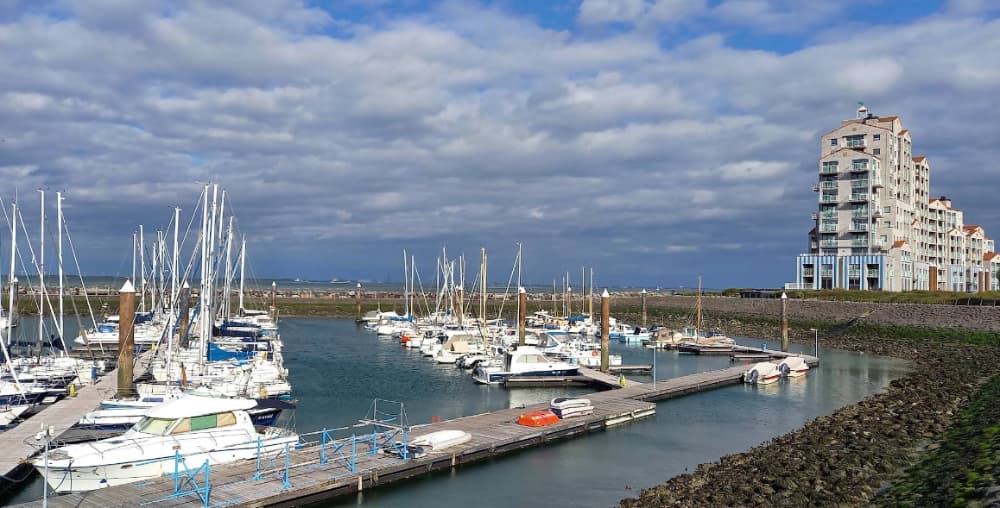
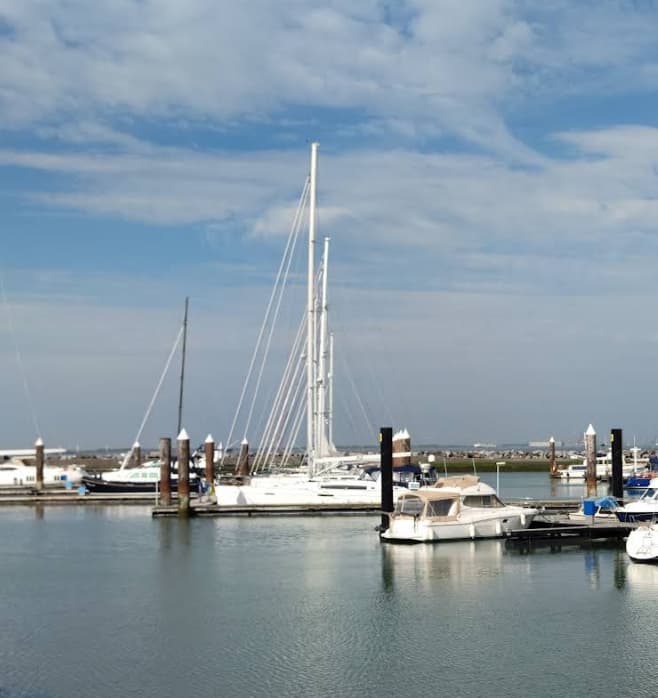
Located on the Dutch Flemish coast and on the border with Flanders, it is the most ideal base for sailing trips to and from France, the Flemish interior and the Dutch Delta area.The port offers 580 permanent berths and 100 visitor berths, it is a popular port for both sailors and motor yachts with excellent facilities. Tidal Flow & Currents Location: Marina Breskens is located on the southern bank of the Westerschelde estuary, near the mouth of the North Sea. Tidal Range: Approximately 4.0 to 4.5 meters (spring tides) Tidal Type: Semi-diurnal (two high and two low tides per day) Current Speed: Flood (incoming tide): 2–3 knots Ebb (outgoing tide): 3–4.5 knots Flow Direction: Flood flows eastward into the estuary Ebb flows westward toward the North Sea Important: Strong cross-currents can occur at the marina entrance, especially during peak ebb. Entry Timing Advice Ideal time to enter/leave: Around slack water (just before or after high/low tide) Entry is possible at all states of tide, but maneuvering is much easier during slack or early flood. Avoid arrival during peak ebb if you have limited engine power or a beamier boat (catamarans, for example). Manoeuvrability in the Marina Marina Layout Entrance is just inside the main harbour (facing NW). Protective breakwaters and a well-defined channel guide you in. Floating pontoons with long fairways and finger pontoons. Visitor berths generally located on the first pontoons to starboard upon entry. Ease of Manoeuvring Fairways are adequately wide for most vessels, including catamarans. Manoeuvring inside the marina is relatively easy in calm conditions. Crosswinds and tidal currents can impact boat handling at the entrance or alongside berthing. Good visibility throughout the harbour; few blind spots. Hazards or Cautions Be cautious of: Fishing traffic in the outer harbour Cross-tide drift during approach Silting near breakwater edge (stay in marked fairway) Navigation Summary Feature Details Approach Channel Marked, direct from Westerschelde shipping lanes Tidal Range ~4.0 – 4.5 meters (spring tide) Current Strength Up to 4.5 knots (ebb); up to 3 knots (flood) Best Time to Enter Slack water or early flood Berthing Floating pontoons; ample space for monohulls & cats Manoeuvrability Good, but tidal awareness important Entry under sail Not recommended unless highly experienced
Facilities
 Electricity
 PetrolDiesel
 Water
Water Wifi
Wifi Showers
 Sewage
 Toilets
 Recycling
 Food
Food Bicycles
 Bar
Bar Boatbuilder
 Laundry
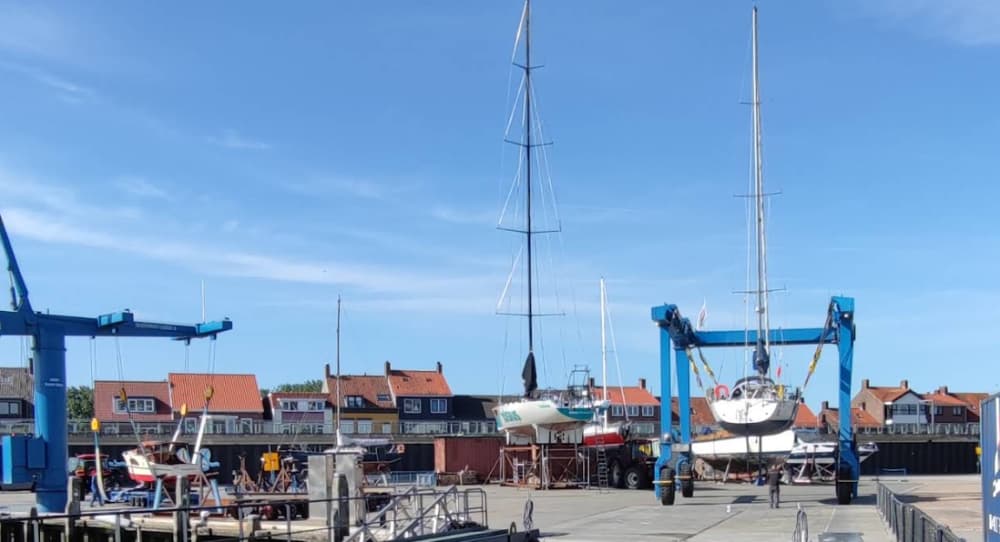
 Haulout
 Medical Facilities
 Customs Clearance
Port Information
Telephone
Berth Sizes
Depth at MLW
Manoeuvrability
Channel Marking
Port of Entry
Overseas Visitor Berths
Catamaran Berths
Dock Type
Style Side To
Style Stern To
Tidal Flow
Active Winter
Weather Forecast
 NE 4–6 knots.
 Increasing from 13 to 17°C
 Calm sea
 UV Index: 0 - Low
 Mostly fine
- N 5 knots increasing to 9 knots.
- Increasing from 17 to 21°C
- Calm sea
- UV Index: 6 - High
- Mostly fine
- N 10 knots increasing to 13 knots. Gusts up to 18 knots.
- 18 to 24°C
- Calm sea
- UV Index: 6 - High
- Mostly fine